

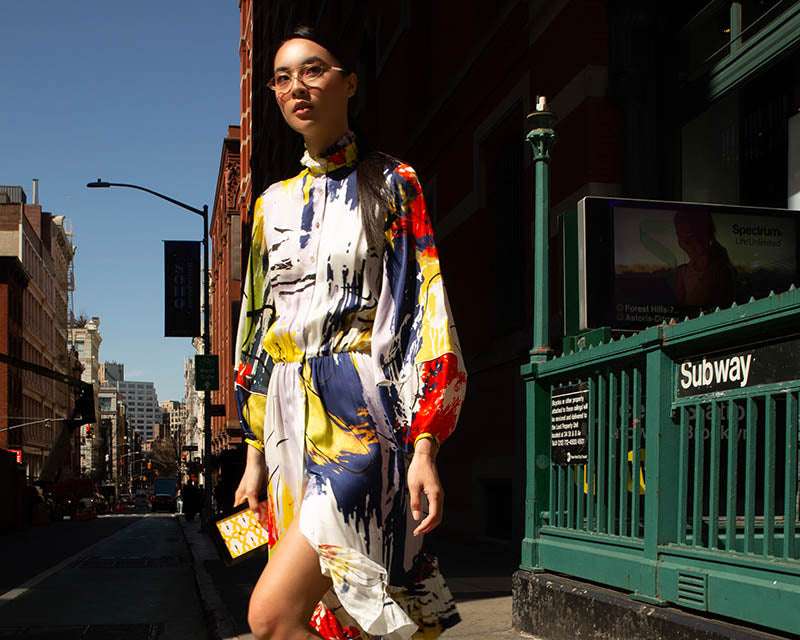
BEYOND FASHION RULES
Fashion has always come with rules.
What belongs together. What should be worn where. What is considered bold, understated, feminine, modest or contemporary.
At L’MANE, we are more interested in what happens when those definitions become less fixed.

STYLE DOESN’T NEED ONE IDENTITY
A woman does not have to choose between structure and fluidity, expression and restraint, or individuality and ease.
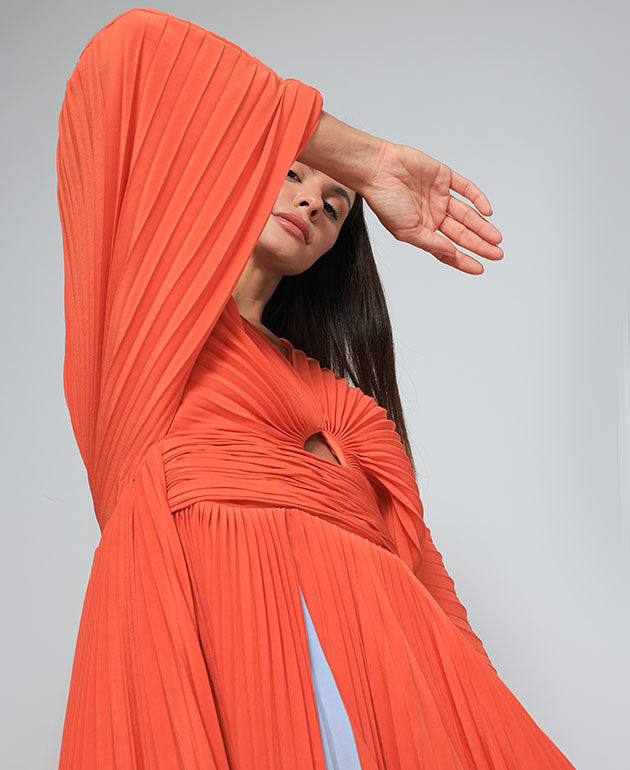
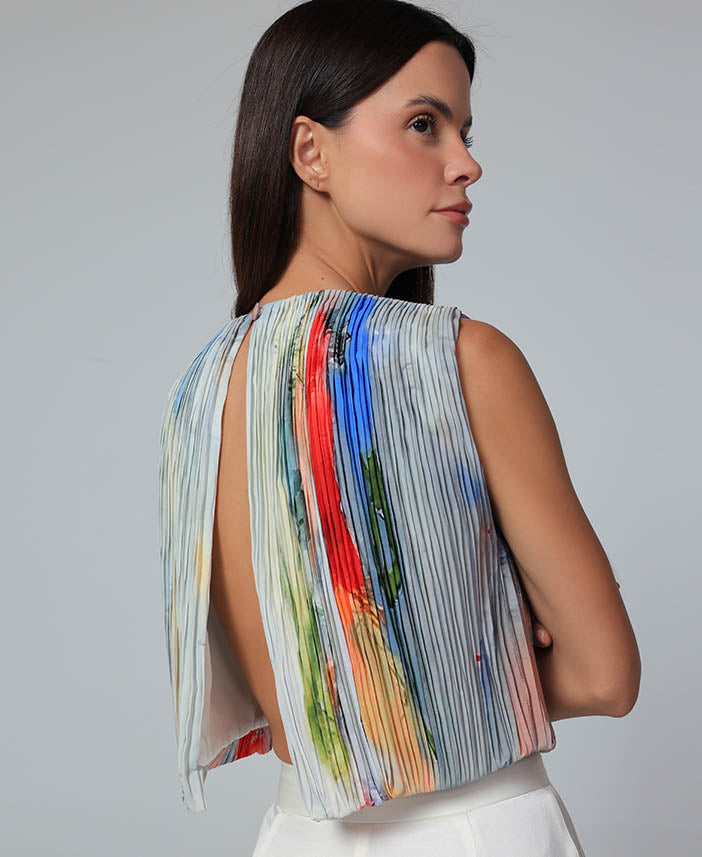
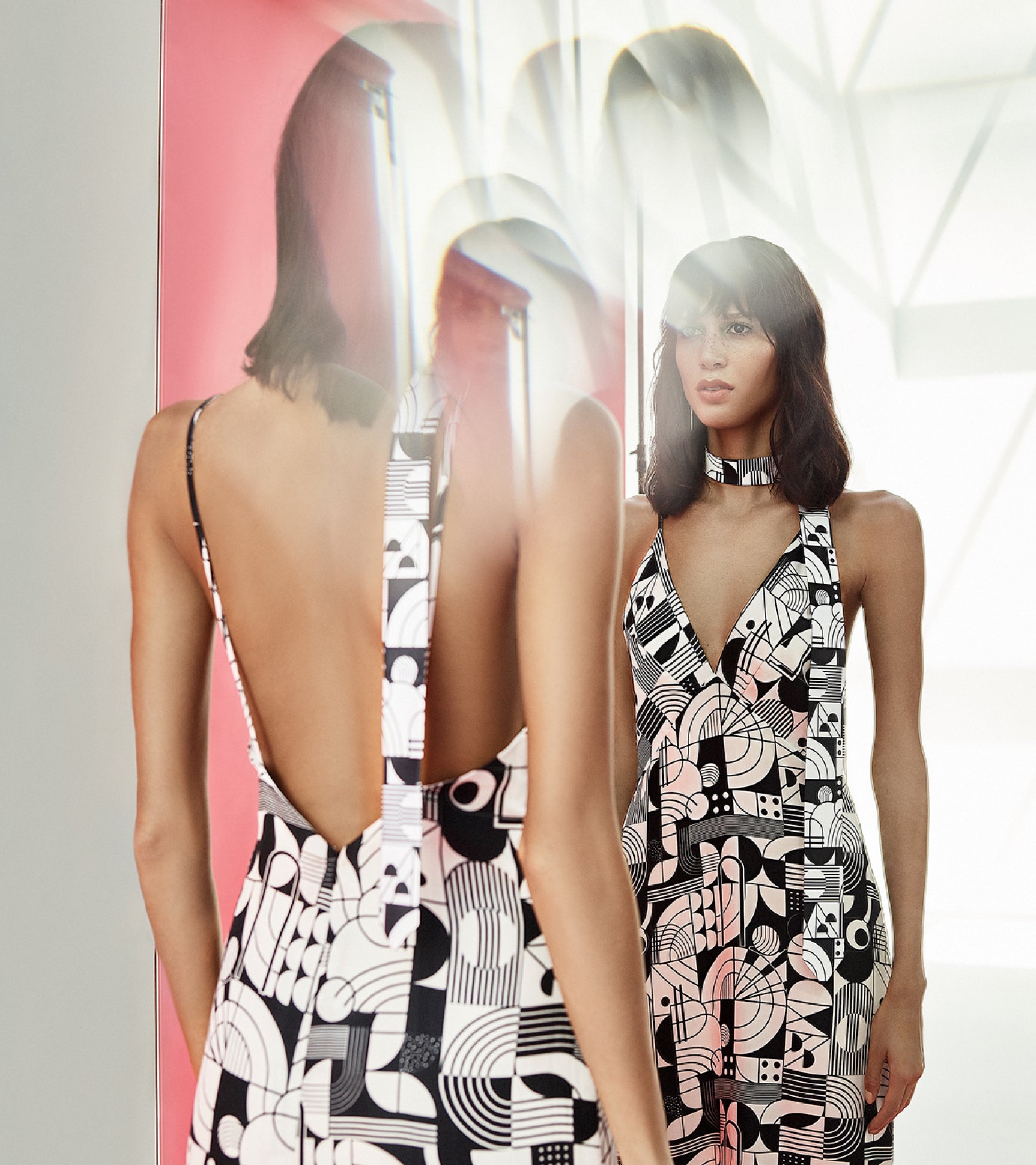
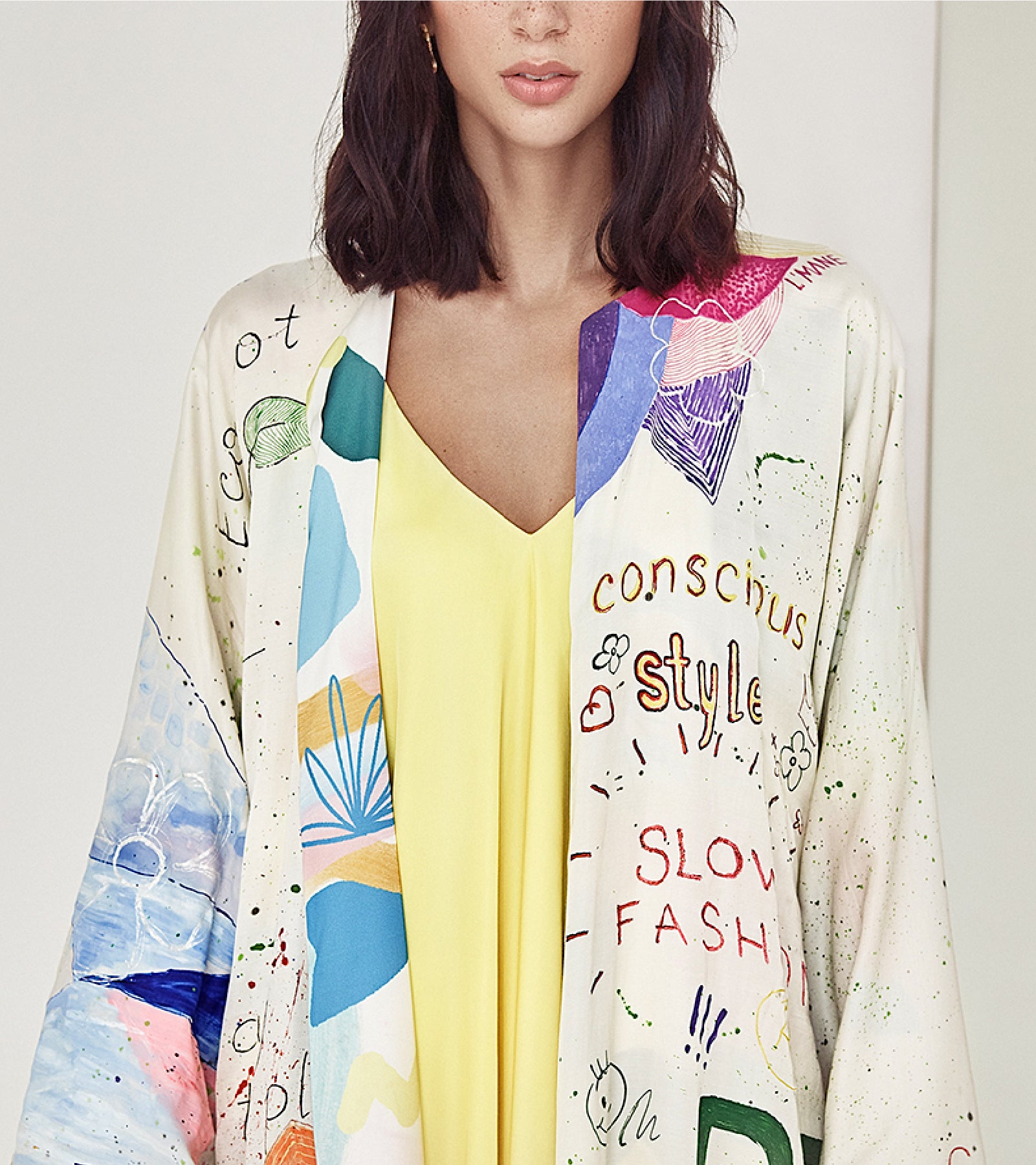
She can be drawn to an architectural silhouette one day and something soft and fluid the next. She can wear expressive artwork or choose a piece where the detail is almost hidden.
These contrasts are not contradictions.
They are part of having a personal point of view.
DESIGN WITHOUT PRESCRIBING HOW TO WEAR IT
We create garments with a distinct identity, but we don't want to dictate how they should be worn.
An asymmetric layer can be interpreted differently from one woman to another. A fluid silhouette can be styled with more or less coverage. A statement piece can be worn quietly, while something seemingly simple can become the strongest part of a wardrobe.
The design provides the starting point.
The woman wearing it completes the expression.
BETWEEN DEFINITIONS
Some of the ideas we find most interesting exist between traditional fashion categories.
Structure can still move. Modesty can feel contemporary. Artwork can be expressive without becoming excessive. A garment can have presence without needing to be loud.
This space between definitions has become an important part of the L’MANE design language.
INDIVIDUALITY OVER EXPECTATION
We don't design around an idea of how a woman should dress.
We design for individuality creating pieces with enough character to have their own point of view and enough freedom for the woman wearing them to bring hers.
Because personal style becomes most interesting when it stops asking:
“Is this how I’m supposed to wear it?”
and starts asking:
“Does this feel like me?”