

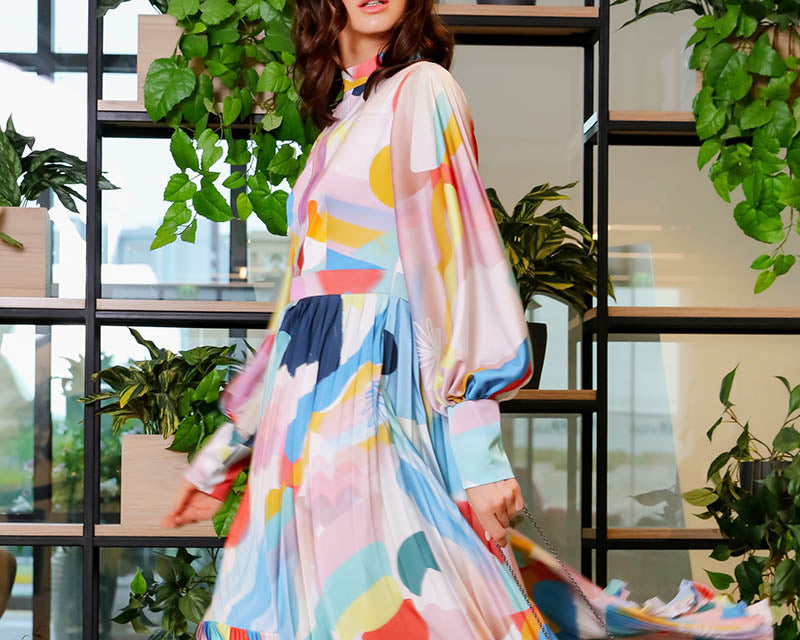
THE BEAUTY OF ASYMMETRY
Symmetry creates balance. Asymmetry creates tension.
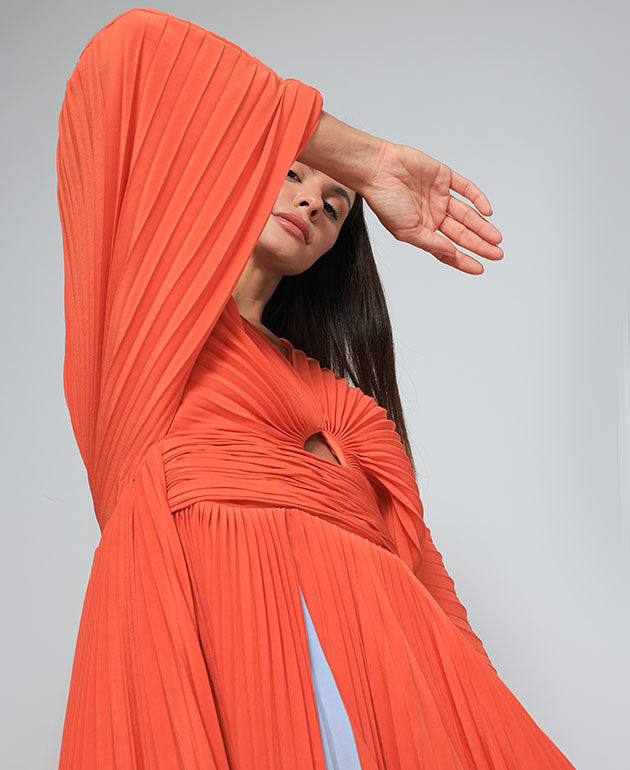
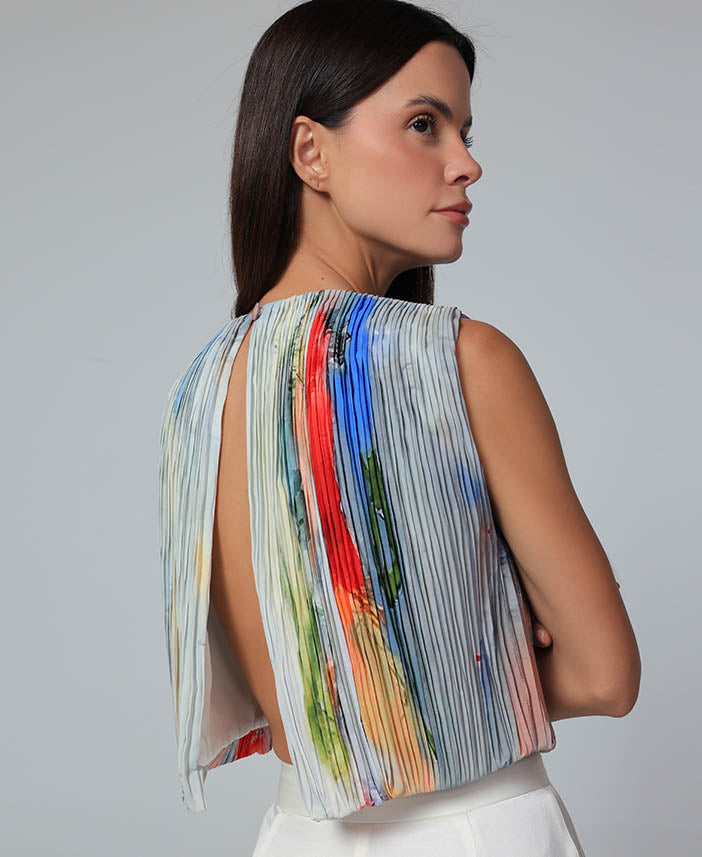
At L’MANE, we are often drawn to the point where something expected is slightly disrupted a hemline that shifts, a drape that falls to one side, a layer that reveals itself from an unexpected angle.
These details are not imperfections.
They are intentional interruptions.

BEYOND PERFECT BALANCE
A garment does not need to be perfectly symmetrical to feel resolved.
Sometimes shifting one element is enough to change the entire silhouette.
An asymmetric neckline can redirect the eye. An uneven layer can introduce movement. A displaced seam or panel can alter the proportion of an otherwise minimal form.
For us, asymmetry creates visual interest without requiring unnecessary decoration.

STRUCTURE DOESN’T HAVE TO BE RIGID
L’MANE often works between two ideas that might initially appear opposite: architecture and fluidity.
A structured element can sit against a soft drape. A precise pleat can open into movement. A clean silhouette can be interrupted by an unexpected layer.
We don't see structure and freedom as opposites.
It is often the tension between them that gives a garment its character.
ASYMMETRY IN MOTION
Asymmetry becomes particularly interesting when the garment moves.
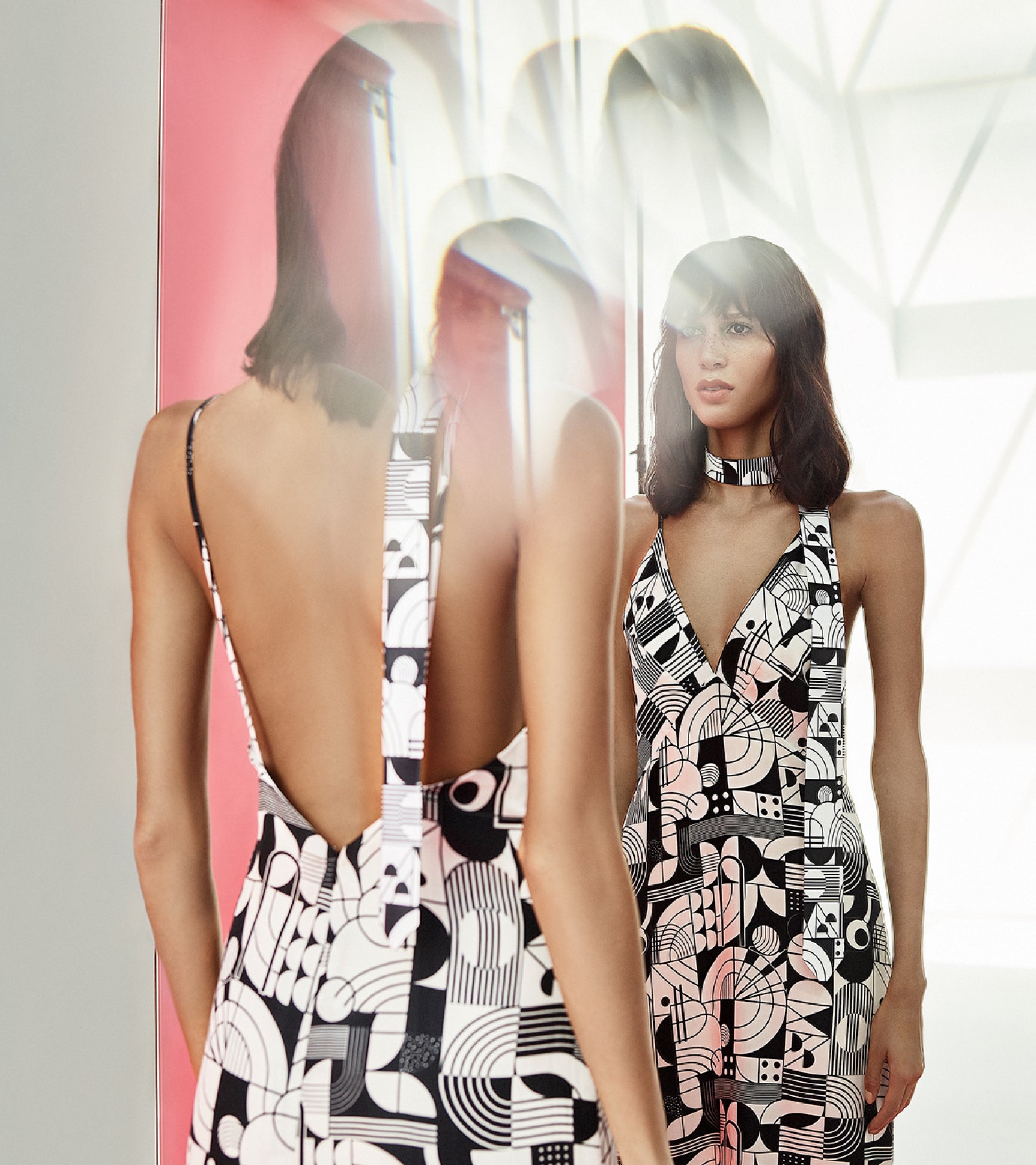
A longer panel may shift independently from the rest of the silhouette. Draping can change depending on the angle of the body. A hidden detail may become visible only when the wearer turns.
The garment is experienced differently from different perspectives.
This is why asymmetry connects so naturally with one of the central ideas behind L’MANE: movement.
AN UNEXPECTED POINT OF VIEW
We are not interested in adding asymmetry simply to make a garment appear unusual.
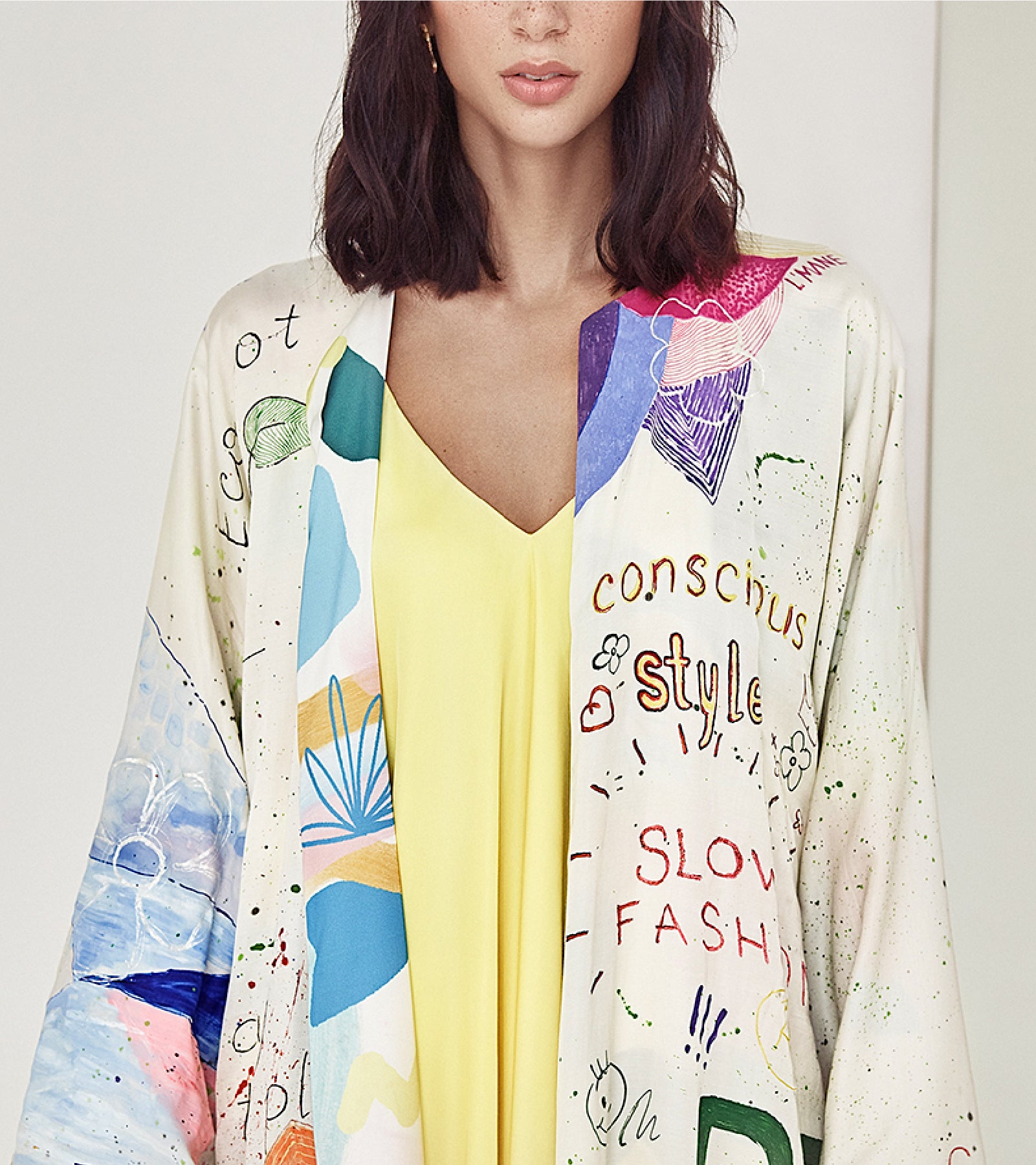
It needs to contribute something to the proportion, movement, artwork or construction of the piece.
Sometimes that intervention is immediately visible. Sometimes it is almost unnoticed until the garment is worn.
Either way, it gives the design another point of view.
INTENTION OVER PERFECTION
For L’MANE, good design is not about making everything perfectly uniform.
It is about knowing when to create balance and when to interrupt it.
That philosophy extends beyond asymmetry into the way we work with artwork, pleating, layering and proportion.
Sometimes the detail that makes a piece feel complete is the one that deliberately breaks the expected line.